
Nearby Hotels
Transit
Higashiyama Ward, Kyoto City, Kyoto Prefecture
[KyotoKyoto AreaKiyomizu, Tofukuji Area]
Temples and Shrines・Buddhist Temples
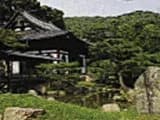
Kodaiji Temple
official name:-
English name:-
Kodai-ji Temple

"Hideyoshi Tone no Tera" where you can feel the beauty of Momoyama
last updated:
- Temples and Shrines・Buddhist Temples
- Shinto Shrine・Buddhist Temple
- Parking available
- Barrier-free access available
Transit
Nearby Hotels
Basic Information
- Name
- -
- Location
- 〒605-0825 526 Shimogawara-cho, Kodai-ji Temple, Higashiyama Ward, Kyoto City, Kyoto Prefecture
More details
- Business Hours
- [Business hours] 9:00 to 17:30 Closed (reception closed 30 minutes before) ※ Special night admission period is ~ 22:00 (reception closed 30 minutes before) 【Closed holiday】 No holidays [Event Schedule] General visitors are open throughout the year. ※ If you have legal affairs such as Spring Higan Hoyo 3/18, Segakikai 8/10, Kitamasasho Tea Party 10/6, you will not be able to enter some Dou. ※ There is a special night viewing period in spring, summer and autumn.
- Prices
- ◇ Admission fee for Kodai-ji Temple (including the Sho Art Museum) Individual: Adults 800 yen Junior and Senior High School Students 400 yen ※ Children under elementary school age must be accompanied by parents who are exempt from admission fees: Adults (30 or more) 700 yen No junior and senior high school students (5 or more) Elementary school students (5 or more) are exempt from admission fees, subject to one guardian per 5 children. However, during the night of November, due to safety considerations, it is not acceptable. ◇ 900 yen for adults when visiting Kodai-ji Temple (including the Shogun Museum) and Entoku-in Temple and 2 temples ※ Junior and senior high school students respond individually at each temple
- Access
- Get off at Gion-Shijo Station on the Keihan Railway, about 15 minutes on foot, get off at Hankyu Kyoto Kawaramachi Station, about 20 minutes on foot, get off at Higashiyama Yasui Station on the city bus, about 7 minutes on foot.
- Parking Lot
- Parking at Kodai-ji Temple: Number of fallen trees: 80 passenger cars 10 buses ※ Bus parking requires advance reservation from the directions on the Kodai-ji Temple website (charged) If you visit Kodai-ji Temple, there is a discount service by presenting a parking ticket at the reception desk.
- Languages
- English, Chinese, Korean and other 10 languages brochures available
Notes & Remarks
Nearby Highlights

Kyoto Prefecture|Higashiyama Ward, Kyoto City
Townscape
Sanningzaka Traditional Buildings Preservation District
Kyoto Prefecture|Higashiyama Ward, Kyoto City
Shinto Shrine・Buddhist Temple
Tsukishin-in Temple
Kyoto Prefecture|Higashiyama Ward, Kyoto City
Culture
Rental Kimono Okamoto Gion Store
Kyoto Prefecture|Higashiyama Ward, Kyoto City
Art museums
Sho Art Museum of Kodai-ji Temple
Kyoto Prefecture|Higashiyama Ward, Kyoto City
Local cuisine・Local delicacies
Kikunoi
Kyoto Prefecture|Higashiyama Ward, Kyoto City
Temples and Shrines・Buddhist Temples
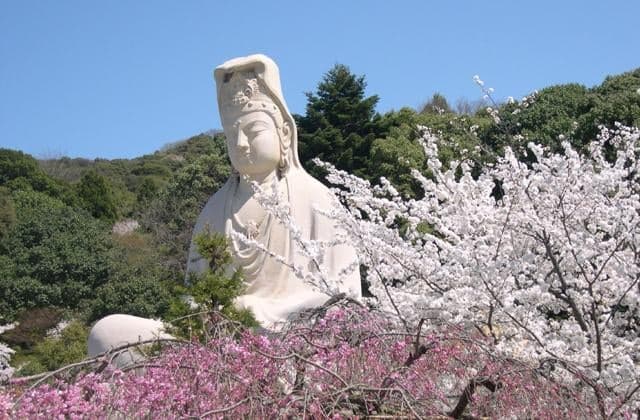
Reizan Kannon
Kyoto Prefecture|Higashiyama Ward, Kyoto City
Japan Ryokan Association Member Ryokan
Kikunoi
Kyoto Prefecture|Higashiyama Ward, Kyoto City
Ryokans・Hotels
HOTEL VMG RESORT KYOTO
Kyoto Prefecture|Higashiyama Ward, Kyoto City
Food・Gourmet
Keiyuyo ryori Kodai-ji Temple Hashiba
Kyoto Prefecture|Higashiyama Ward, Kyoto City
Japan Ryokan Association Member Ryokan
Ryokan Motonago
Kyoto Prefecture|Higashiyama Ward, Kyoto City
Festivals and traditional events
Flower Festival (Buddha Birthday Party)
Kyoto Prefecture|Higashiyama Ward, Kyoto City
Shinto Shrine・Buddhist Temple
Entoku-in Temple
Kyoto Prefecture|Higashiyama Ward, Kyoto City
Shinto Shrine・Buddhist Temple
Shurin-ji Temple
Kyoto Prefecture|Higashiyama Ward, Kyoto City
Theatres
Maruyama Park Music Hall, Kyoto City
Kyoto Prefecture|Higashiyama Ward, Kyoto City
Shinto Shrine・Buddhist Temple
Daiun-in Temple
Kyoto Prefecture|Higashiyama Ward, Kyoto City
Shrine
Kyoto Reizan Gokoku-jinja Shrine
Kyoto Prefecture|Higashiyama Ward, Kyoto City
Ryokans・Hotels
Park Hyatt Kyoto
Kyoto Prefecture|Higashiyama Ward, Kyoto City
Culture
Yumekyoto Kodai-ji Temple Store
Kyoto Prefecture|Higashiyama Ward, Kyoto City
Historic sites・Historic remains
Gion Nyogozuka
Kyoto Prefecture|Higashiyama Ward, Kyoto City
Ryokans・Hotels
Kyo no Yado Gionsano
Map
Contact Us
- Kodai-ji Temple
- TEL