
Nearby Hotels
Transit
Higashiyama Ward, Kyoto City, Kyoto Prefecture
[KyotoKyoto AreaKiyomizu, Tofukuji Area]
Temples and Shrines・Buddhist Temples
Joudshusouhonzantionin
official name:-
English name:-
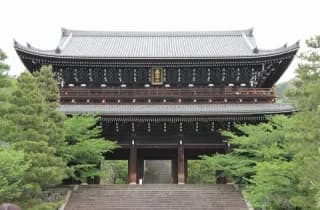
The head temple of the Jodo sect, Chion-in Temple

Honen Shonin spread the teachings of Nenbutsu, and the head temple of the Jodo sect built in ruins where they were lost.
last updated:
- Temples and Shrines・Buddhist Temples
- Shinto Shrine・Buddhist Temple
- Barrier-free access available
Transit
Nearby Hotels
Basic Information
- Name
- -
- Location
- 〒605-0062 400, Rinkacho, Higashiyama-ku, Kyoto-shi, Kyoto
More details
- Business Hours
- [Business hours] 9:00~16:00 Garden reception ※ In case of change or suspension of visit due to Motoyama event, Yuzen-en 9:00 to 16:00 Hojo Garden 9:00 to 15:50 【Closed holiday】 No holidays
- Prices
- Free precincts Yuzen-en Garden: 300 yen for adults Elementary and junior high school students 150 yen Group 270 yen Hojo Garden: Adults 400 yen Elementary and junior high school students 200 yen Group 360 yen Garden Common Ticket: Adults 500 yen Elementary and junior high school students 250 yen Group 450 yen ※ Common ticket sales until 3:20 p.m.
- Access
- About 14 minutes walk from Keihan Railway Gion Shijo, about 15 minutes walk from Hankyu Railway Kyoto Kawaramachi, about 8 minutes walk from Higashiyama Subway Tozai Line, about 5 minutes walk from Chion-in Temple.
- Parking Lot
- No
- Accessibility
Halal Information - Free shuttle buses, slopes, elevators, wheelchair toilets, indoor wheelchair rental
- Languages
- No
Notes & Remarks
Nearby Highlights
Kyoto Prefecture|Higashiyama Ward, Kyoto City
Temples and Shrines・Buddhist Temples
Shoren-in Temple

Kyoto Prefecture|Higashiyama Ward, Kyoto City
Shinto Shrine・Buddhist Temple
Yoshimizu Soan
Kyoto Prefecture|Higashiyama Ward, Kyoto City
Parking available
Maruyama-koen Park
Kyoto Prefecture|Higashiyama Ward, Kyoto City
Food・Gourmet
Ryotei Saaya
Kyoto Prefecture|Higashiyama Ward, Kyoto City
Food・Gourmet
Gion Maruyama bonfire
Kyoto Prefecture|Higashiyama Ward, Kyoto City
B&Bs・Pensions
Wajun Kaikan, Chion-in Temple
Kyoto Prefecture|Higashiyama Ward, Kyoto City
Shinto Shrine・Buddhist Temple
Awata-jinja Shrine
Kyoto Prefecture|Higashiyama Ward, Kyoto City
Seasonal outings
March to April
Cherry blossoms at Maruyama-koen Park
Kyoto Prefecture|Higashiyama Ward, Kyoto City
Food・Gourmet
Kyoto cuisine Tokanso
Kyoto Prefecture|Kyoto City
Seasonal outings
November to December
Autumn leaves of Higashiyama (Choraku-ji Temple)
Kyoto Prefecture|Higashiyama Ward, Kyoto City
Local cuisine・Local delicacies
The head family of the Imobo Hirano family
Kyoto Prefecture|Higashiyama Ward, Kyoto City
Shinto Shrine・Buddhist Temple
Higashiodani (Higashiodani)
Kyoto Prefecture|Higashiyama Ward, Kyoto City
Shinto Shrine・Buddhist Temple
Shurin-ji Temple
Kyoto Prefecture|Higashiyama Ward, Kyoto City
Local cuisine・Local delicacies
Kyumurai Kebetei family's annex
Kyoto Prefecture|Higashiyama Ward, Kyoto City
Historic sites・Historic remains
Gion Nyogozuka
Kyoto Prefecture|Higashiyama Ward, Kyoto City
Theatres
Maruyama Park Music Hall, Kyoto City
Kyoto Prefecture|Sakyo Ward, Kyoto City
Festivals and traditional events
to
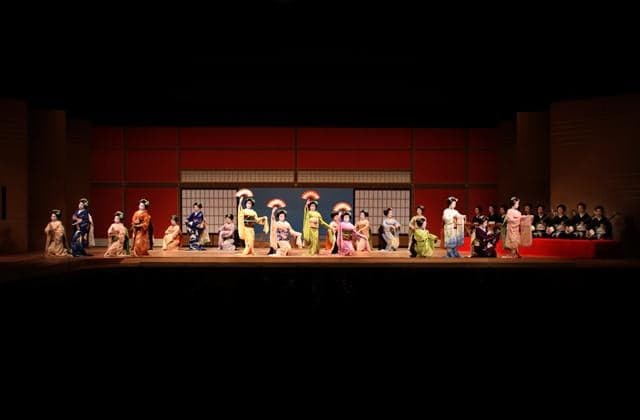
The 29th Kyoto Gohanagai Joint Performance “The Busy of the City”
Kyoto Prefecture|Higashiyama Ward, Kyoto City
Shinto Shrine・Buddhist Temple
Daiun-in Temple
Kyoto Prefecture|Yamashina Ward, Kyoto City
Shinto Shrine・Buddhist Temple
Shoren-in Temple Shogunzuka Seiryuden
Kyoto Prefecture|Higashiyama Ward, Kyoto City
Japan Hotel Association Member Hotels
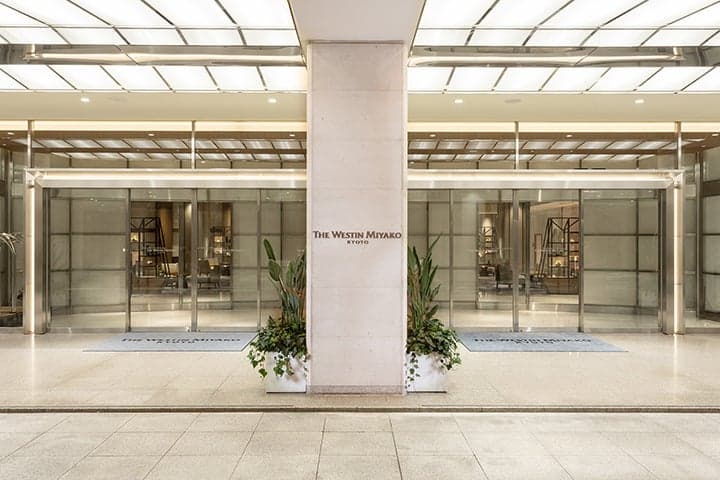
Westin Miyako Hotel Kyoto
Map
Contact Us
- The head temple of the Jodo sect, Chion-in Temple
- TEL