
Nearby Hotels
Transit
Nakagyo Ward, Kyoto City, Kyoto Prefecture
[KyotoNijo Castle, Kyoto Station AreaNijo Castle, Kyoto Station Area]
World heritage
Motricuuni loach
official name:-
English name:-
Nijo-jo Castle

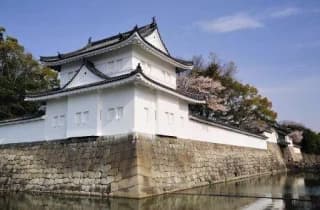
last updated:
- World heritage
- Castle
- Barrier-free access available
Transit
Nearby Hotels
Basic Information
- Name
- -
- Location
- 〒604-8301 541, Nijo-dori, Horikawa, nishiiru, Nijojo-cho, Nakagyo-ku, Kyoto-shi, Kyoto
More details
- Business Hours
- [Business hours] 8:45 to 16:00 (closed 17:00) "Ninomaru Palace" 8:45-16:10 Honmaru Palace, 9:30-16:00 《Nijo-jo Castle Barrier Painting Exhibition Hall》9:00-16:30 (closed 16:45) ※ Published four times a year for a total of 240 days 【Closed holiday】 12/29~31 ※ The Ninomaru Palace viewing suspension day is Tuesday in January, July, August and December (open in the case of public holidays, closed on the following weekday), December 26-December 28, January-1-1/3. ※ The Honmaru Goten viewing suspension day is the third Monday of every month. ※ And the next day ※ 、12/26~12/28、1/1~1/3。 ※ If that day is a holiday, you can see the Honmaru Palace.
- Prices
- [Admission fee, Ninomaru Goten viewing fee] General 1,300 yen, junior and senior high school students 400 yen, elementary school students 300 yen Admission fee General 800 yen [Nijo-jo Castle Barrier Painting Exhibition and Collection Hall] 100 yen (preschool children free) ※ A separate entry fee is required 【Honmaru Goten viewing ticket】 (Advance reservation required) General 1,000 yen, junior and senior high school students 300 yen, elementary school students 200 yen ※ A separate entry fee is required
- Access
- Get off at the subway "Nijo-jo Castle" station.
Notes & Remarks
Nearby Highlights

Kyoto Prefecture|Nakagyo Ward, Kyoto City
Castle
Nijo-jo Castle Shop
Kyoto Prefecture|Nakagyo Ward, Kyoto City
Festivals and traditional events
to
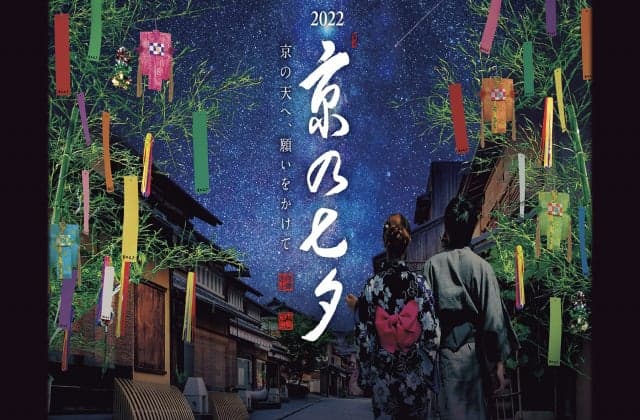
Tanabata in Kyoto
Kyoto Prefecture|Nakagyo Ward, Kyoto City
Historic sites・Historic remains
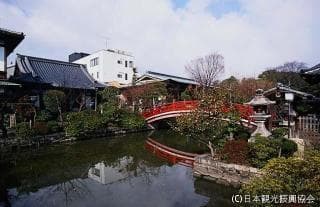
Shinsen-en Garden (Shizen-san, Hizen-san, Hiden-san)
Kyoto Prefecture|Nakagyo Ward, Kyoto City
Historic sites・Historic remains
Reizei-in Temple Ruins
Kyoto Prefecture|Nakagyo Ward, Kyoto City
Traditional Crafts・Handicrafts
Kyokomajakkyu (Kyokomajakkyu)
Kyoto Prefecture|Nakagyo Ward, Kyoto City
Food・Gourmet
Seike Nijo
Kyoto Prefecture|Nakagyo Ward, Kyoto City
Traditional Crafts・Handicrafts
Makie Umesen
Kyoto Prefecture|Nakagyo Ward, Kyoto City
Ancient tombs・Ruins
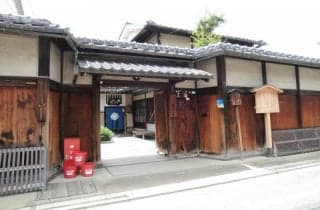
Nijo-jinya
Kyoto Prefecture|Nakagyo Ward, Kyoto City
Traditional techniques・Craftsmanship
Kraft Yamamura
Kyoto Prefecture|Nakagyo Ward, Kyoto City
Historic sites・Historic remains
Suzaku Monzeki
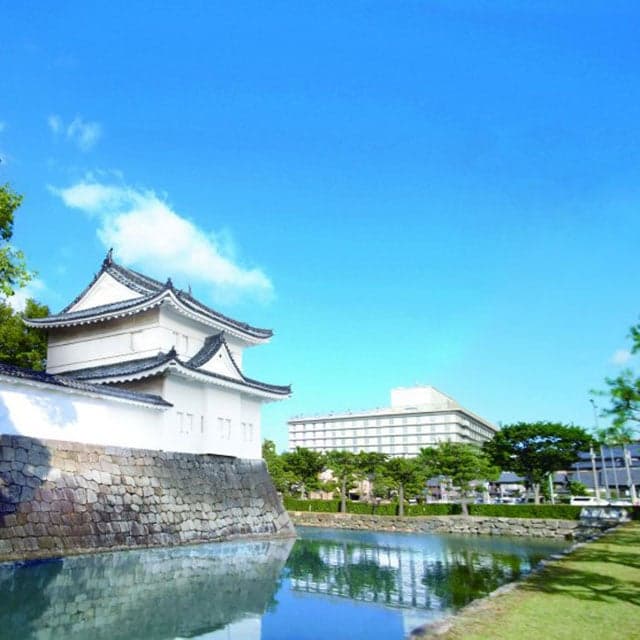
Kyoto Prefecture|Nakagyo Ward, Kyoto City
Japan Hotel Association Member Hotels
ANA Crowne Plaza Hotel Kyoto
Kyoto Prefecture|Nakagyo Ward, Kyoto City
Traditional techniques・Craftsmanship
Japanese poetry club
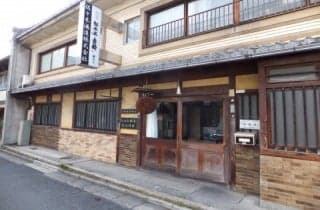
Kyoto Prefecture|Kamigyo Ward, Kyoto City
Food・Gourmet
Sasaki Shuzo Co., Ltd.
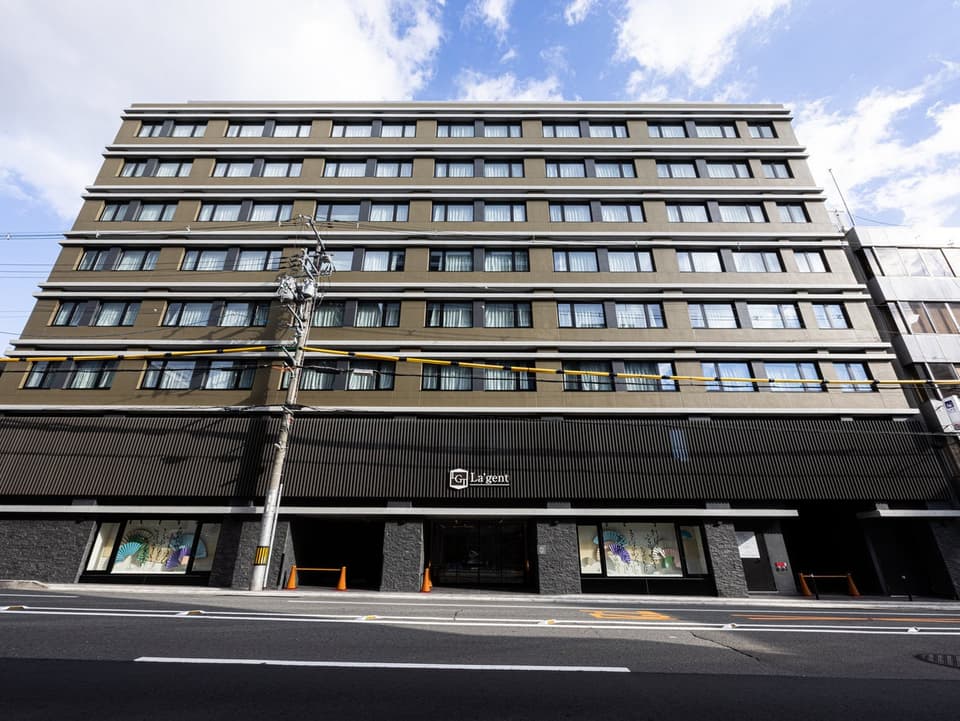
Kyoto Prefecture|Kamigyo Ward, Kyoto City
All Japan Hotel Association Member Hotels
La Jent Hotel Kyoto Nijo
Kyoto Prefecture|Nakagyo Ward, Kyoto City
Ryokans・Hotels
Urban Hotel Kyoto Nijo PREMIUM
Kyoto Prefecture|Nakagyo Ward, Kyoto City
B&Bs・Pensions
City Pension Tommy Rich Inn Kyoto
Kyoto Prefecture|Nakagyo Ward, Kyoto City
Shops
Yuki Kyono (Yuki)
Kyoto Prefecture|Nakagyo Ward, Kyoto City
Shops
Nijo Wakasaya Main Store
Kyoto Prefecture|Nakagyo Ward, Kyoto City
Traditional techniques・Craftsmanship
Kyoto Size Crafts Museum
Kyoto Prefecture|Nakagyo Ward, Kyoto City
Historic sites・Historic remains
The site of Higashi Sanjo-in Temple
Map
Contact Us
- Former Rikyu Nijo-jo Castle
- TEL