
Nearby Hotels
Transit
Sakyo Ward, Kyoto City, Kyoto Prefecture
[KyotoKyoto AreaNanzenji, Kurama, Mount Hiei]
World heritage
Jishoji (Ginkakuji)
official name:-
English name:-
Ginkaku-ji Temple

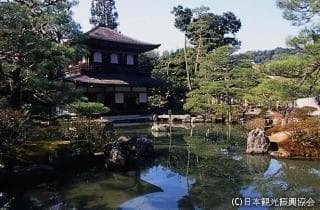
last updated:
- World heritage
- Temples and Shrines・Buddhist Temples
- Shinto Shrine・Buddhist Temple
Transit
Nearby Hotels
Basic Information
- Name
- -
- Location
- 〒606-8402 2, Ginkakujicho, Sakyo-ku, Kyoto-shi, Kyoto
More details
- Business Hours
- [Business hours] Visiting time Summer (March to November) 8:30 to 17:00 Winter (December to February) 9:00 to 16:30 【Closed holiday】 No holidays
- Access
- Get off at "Demachiyanagi" of Keihan Railway Get off at Ginkakuji Road, about 10 minutes walk from the city bus "Ginkaku Teramae" and walk about 5 minutes.
- Parking Lot
- Municipal parking within 2 hours 2,610 yen for 12 buses 1,040 yen for 40 private cars
Notes & Remarks
Nearby Highlights

Kyoto Prefecture|Sakyo Ward, Kyoto City
Shinto Shrine・Buddhist Temple
Daimonji-dera Temple
Kyoto Prefecture|Sakyo Ward, Kyoto City
Shrine
Hachi-jinja Shrine
Kyoto Prefecture|Sakyo Ward, Kyoto City
Temples and Shrines・Buddhist Temples
Honen-in Temple
Kyoto Prefecture|Sakyo Ward, Kyoto City
Art museums
The Kansetsu Hashimoto Memorial Hall
Kyoto Prefecture|Sakyo Ward, Kyoto City
Shops
Blue rice balls
Kyoto Prefecture|Sakyo Ward, Kyoto City
Temples and Shrines・Buddhist Temples
Matsumushi Suzumushidera Temple
Kyoto Prefecture|Sakyo Ward, Kyoto City
Seasonal outings
March to April
Cherry blossoms of the Path of Philosophy
Kyoto Prefecture|Sakyo Ward, Kyoto City
Shinto Shrine・Buddhist Temple
Reikan-ji Temple
Kyoto Prefecture|Sakyo Ward, Kyoto City
Historic sites・Historic remains
Ruins of Shunkan Sanso
Kyoto Prefecture|Sakyo Ward, Kyoto City
Food experiences
Shigeru-an
Kyoto Prefecture|Sakyo Ward, Kyoto City
Festivals and traditional events
to
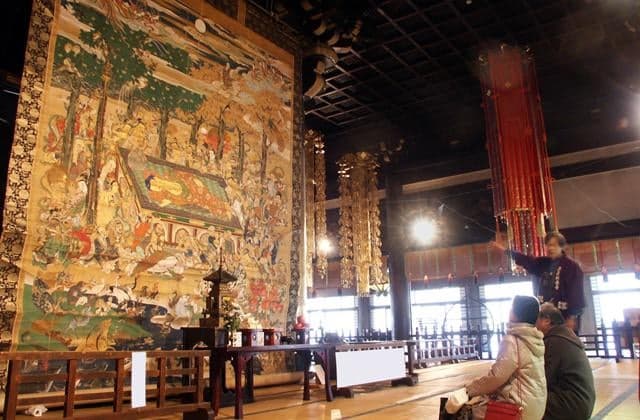
Shinnyodo Nirvana-zu
Kyoto Prefecture|Kyoto City
Seasonal outings
November to December
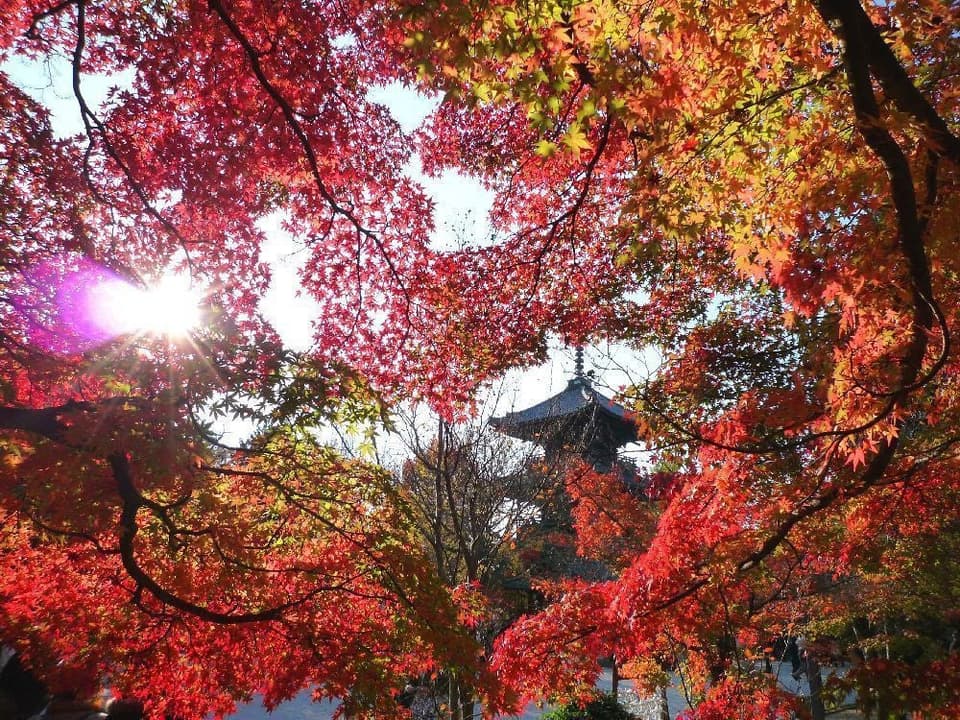
Autumn leaves of Shinnyo-do Hall (Shinjo Gokurakuji Temple)
Kyoto Prefecture|Sakyo Ward, Kyoto City
Shrine
Otoyo-jinja Shrine
Kyoto Prefecture|Sakyo Ward, Kyoto City
Mountains・Plateaus
Mt. Yoshida
Kyoto Prefecture|Sakyo Ward, Kyoto City
Shinto Shrine・Buddhist Temple
Shiba Yakushi (Shiba-Yakushi)
Kyoto Prefecture|Sakyo Ward, Kyoto City
Temples and Shrines・Buddhist Temples
Tohoku-in Temple
Kyoto Prefecture|Sakyo Ward, Kyoto City
Shinto Shrine・Buddhist Temple
Someden-in Temple
Kyoto Prefecture|Sakyo Ward, Kyoto City
Shinto Shrine・Buddhist Temple
Shiunseki Mannichi-ji Temple
Kyoto Prefecture|Sakyo Ward, Kyoto City
Japan Ryokan Association Member Ryokan
Yoshida Sanso
Kyoto Prefecture|Sakyo Ward, Kyoto City
Local cuisine・Local delicacies
Yoshida Sanso
Map
Contact Us
- Jisho-ji Temple (Ginkaku-ji Temple)
- TEL